
Learn how to make compost at home step by step — turn kitchen scraps and yard waste into rich, free fertilizer that transforms your soil and your entire garden.
Compost is sometimes called “black gold” by gardeners — and once you start making it, you’ll understand exactly why. This dark, crumbly material transforms poor soil, feeds plants naturally, retains moisture, suppresses weeds, and reduces the amount of waste you send to the landfill every week.
The best part? Making compost at home is remarkably simple, completely free, and requires nothing more than kitchen scraps and yard waste you’re already producing.
At Outz News Garden, Maria Walker has been composting for over 15 years and considers it the single most impactful thing a home gardener can do for their soil. This complete step-by-step guide covers everything you need to know — from setting up your first pile to troubleshooting problems and using finished compost effectively in your garden. For a broader look at how compost fits into a complete organic growing system, visit our organic gardening tips guide.
Why Compost? The Science Behind the Magic
Compost works by feeding the living ecosystem in your soil. Healthy garden soil isn’t just dirt — it’s a complex community of bacteria, fungi, earthworms, and other organisms that break down organic matter and release nutrients in forms plants can absorb.
According to the University of Maryland Extension, composting microbes use carbon for energy and nitrogen for growth. When you mix organic materials at the right carbon-to-nitrogen ratio, these microbes multiply rapidly, generating heat and breaking down raw materials into finished compost within weeks to months.
The benefits of finished compost in the garden are wide-ranging:
- Improves soil structure — loosens compacted clay soils and helps sandy soils retain moisture and nutrients
- Feeds soil biology — provides food for the billions of microorganisms that make nutrients available to plant roots
- Reduces fertilizer needs — compost releases nutrients slowly and steadily throughout the growing season, reducing or eliminating the need for synthetic fertilizers
- Suppresses disease — compost-amended soils support beneficial microorganisms that compete with and suppress harmful soil-borne pathogens
- Retains moisture — every 1% increase in soil organic matter allows soil to hold approximately 20,000 additional gallons of water per acre — a dramatic improvement in drought resilience
- Reduces waste — the average American household generates hundreds of pounds of compostable material per year that currently goes to landfills
What to Compost: Greens, Browns, and What to Avoid
Successful composting requires a balanced mix of two types of materials, commonly called “greens” and “browns.” Understanding this distinction is the foundation of effective composting.
Green Materials (Nitrogen-Rich)
Greens are moist, nitrogen-rich materials that fuel microbial activity and heat generation in the pile:
- Fruit and vegetable scraps (peels, cores, trimmings)
- Coffee grounds and paper filters
- Tea bags (remove staples)
- Fresh grass clippings
- Fresh plant trimmings and spent garden plants
- Eggshells (add calcium; crush before adding)
- Seaweed and kelp
Brown Materials (Carbon-Rich)
Browns are dry, carbon-rich materials that provide structure, prevent odors, and maintain airflow through the pile:
- Dried leaves (the single best brown material available)
- Cardboard — shredded or torn into small pieces (remove tape and staples)
- Brown paper bags and newspaper
- Straw
- Wood chips and sawdust (from untreated wood only)
- Corn stalks
- Dryer lint from natural fiber clothing
What NOT to Compost
According to the University of Minnesota Extension, certain materials should never go in a home compost pile:
- Meat, fish, and bones — attract rats, raccoons, and other pests and create severe odor problems
- Dairy products and grease — same pest and odor issues as meat
- Pet feces — can contain dangerous pathogens that survive the composting process
- Diseased or pest-infested plants — unless your pile reaches consistently high temperatures (above 140°F), disease and insect eggs can survive and spread
- Weeds with mature seed heads — weed seeds often survive composting and spread throughout your garden when you apply the finished compost
- Treated or painted wood products — contain chemicals that can contaminate your compost
- Coal ash — contains sulfur and iron compounds toxic to plants (wood ash is fine in small amounts)
The Carbon-to-Nitrogen Ratio: Getting the Balance Right
The single most important technical concept in composting is the carbon-to-nitrogen (C:N) ratio. University of Maryland Extension research shows that composting microbes function best at a C:N ratio of 25:1 to 40:1, with 30:1 considered ideal.
In practical terms, this means adding roughly 3 parts browns to 1 part greens by volume as a starting point. Too much green material (too much nitrogen) creates a wet, slimy, smelly pile. Too much brown material (too much carbon) creates a dry pile that breaks down very slowly.
If your pile smells bad — a sign of too many greens — add more browns and turn the pile. If your pile isn’t heating up or breaking down — a sign of too many browns — add more greens and water, then turn.
Step-by-Step: How to Build Your First Compost Pile
According to Penn State Extension, there are several effective methods for making compost at home — from simple cold piles to hot bins to tumbler composters. This method covers the most accessible approach for beginners: a basic hot compost pile or bin.
What You Need
- A space at least 3×3×3 feet — this minimum volume is necessary to generate and retain the heat that speeds decomposition
- A container or bin (optional but helpful) — wire mesh, wooden pallets, or a purchased plastic bin all work
- A mix of greens and browns
- Water
- A pitchfork or compost turning tool
Building the Pile
- Step 1 — Choose your location: place the pile in partial sun, away from drying winds, and reasonably close to where you’ll use the finished compost. Avoid placing directly against wooden fences or structures.
- Step 2 — Start with a coarse brown layer: lay down 4–6 inches of coarse brown material (straw, wood chips, or shredded stems) as the base. This creates airflow from underneath.
- Step 3 — Add a green layer: add 2–3 inches of green material on top of the browns.
- Step 4 — Continue layering: alternate brown and green layers, maintaining approximately a 3:1 brown-to-green ratio. Water each layer as you build so the pile is evenly moist throughout.
- Step 5 — Check moisture: the pile should feel like a wrung-out sponge — damp but not dripping. If dry, water it. If soggy and smelly, add browns and turn.
- Step 6 — Turn regularly: turning introduces oxygen, which accelerates decomposition dramatically. Turn a hot, active pile every 3–7 days for the fastest results. A pile that’s turned infrequently will still produce finished compost — it just takes longer (3 to 12 months rather than 4 to 8 weeks).
Three Composting Methods for Different Situations
Method 1 — Hot Composting (Fastest)
Hot composting involves maintaining a large, well-balanced pile and turning it frequently to maintain high temperatures (130–160°F). A properly managed hot pile can produce finished compost in as little as 4 to 8 weeks. It requires more active management but kills weed seeds and pathogens effectively.
Best for: gardeners with lots of material, time to turn, and who want finished compost quickly.
Method 2 — Cold Composting (Easiest)
Cold composting simply means adding materials to a pile as they become available and letting them break down slowly over time — 6 months to 2 years — with minimal intervention. No turning required. The pile doesn’t heat up enough to kill weed seeds, so avoid adding weeds with seed heads or diseased plant material.
Best for: busy gardeners who want a low-effort system and don’t need compost quickly.
Method 3 — Tumbler Composting
A compost tumbler is a sealed, rotating drum that sits off the ground. It’s cleaner, pest-resistant, and faster than open piles — materials can break down in 3 to 6 weeks when turned daily. The sealed design makes it ideal for urban settings and smaller yards.
Best for: gardeners with limited space, concerns about pests, or urban environments.
Troubleshooting Common Composting Problems
- Pile smells like ammonia: too many greens. Add browns and turn the pile immediately. Shredded cardboard or dried leaves are the fastest fixes.
- Pile smells like rotten eggs: pile is too wet and anaerobic (without oxygen). Add dry browns, turn thoroughly to introduce air, and check drainage.
- Pile isn’t heating up: too much brown material, pile is too dry, or the pile is too small. Add greens, water thoroughly, and turn. Ensure the pile is at least 3×3×3 feet.
- Pile has pests (flies, rodents): meat, dairy, or cooked food was added. Remove offending material, bury fresh food scraps in the center of the pile, and consider a covered tumbler or bin.
- Materials aren’t breaking down: pieces are too large. Shred or chop materials before adding — smaller pieces decompose much faster. A compost pile filled with whole leaves and large branches will break down very slowly.
How to Know When Compost Is Finished
Finished compost looks dark and crumbly, has a rich, earthy smell (similar to fresh forest floor), and you cannot identify any of the original materials that went into it. The pile will also have reduced significantly in volume — a full bin of fresh materials typically shrinks to about one-third of its original size as it breaks down.
If you find large pieces that haven’t fully broken down, simply sift the finished compost through a screen and return unfinished pieces to the active pile for another round of decomposition.
How to Use Finished Compost in Your Garden
Compost is one of the most versatile soil amendments available. Here are the most effective ways to apply it:
- Soil amendment before planting: mix 2–4 inches of compost into the top 8–12 inches of soil in new beds. This is especially valuable in clay soils and sandy soils.
- Top dressing for established beds: spread 1 inch of compost over the surface of flower and vegetable beds each spring. Organic matter moves downward through the soil profile over time, continuously improving structure and fertility.
- Potting mix component: mix up to 30% finished compost into potting mix for containers. Avoid using more than 30% — too much compost in containers can hold excess moisture and reduce aeration.
- Compost tea: steep 1 part compost in 5 parts water for 1–3 days, strain, and apply the liquid as a gentle fertilizer for seedlings and transplants. Especially effective for boosting transplant establishment.
- Lawn top dressing: a thin layer of fine compost sifted over lawn areas improves soil biology and organic matter content, gradually reducing the lawn’s need for synthetic fertilizers.
Quick-Reference Composting Tips
- Keep a kitchen compost bin on the counter — a small lidded container makes collecting scraps effortless and means you’ll compost consistently rather than occasionally
- Chop everything before adding — smaller pieces break down dramatically faster
- Keep a pile of dry leaves nearby — collect a large pile of dried leaves each fall and use them to balance food scraps year-round
- Turn when you add materials — if you turn the pile every time you add new scraps, you’ll maintain good aeration without a separate turning schedule
- Keep the pile moist, not wet — the wrung-out sponge test is the most reliable moisture check
- Start a second bin when the first is full — a two-bin system allows you to let one pile finish while actively adding to the second
Learning how to make compost at home is one of the highest-return skills in all of gardening. The initial investment — a few square feet of space and some effort — produces a continuous supply of the best soil amendment available, completely free, from materials you already have.
More importantly, composting changes how you see your kitchen scraps and yard waste. What once looked like garbage becomes a resource — the raw materials for building richer soil, healthier plants, and a more productive garden season after season. Every carrot peel, coffee ground, and pile of autumn leaves is an investment in next year’s harvest.
Start your compost pile this week — even a small one — and you’ll be amazed at what it becomes by spring. Share your composting questions or wins in the comments below! And to see how finished compost fits into a complete no-chemical garden, visit our organic gardening tips guide.
👉 Read Next: Complete Organic Gardening Tips — Grow Chemical-Free
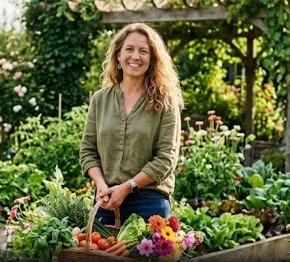
Maria Walker is a certified horticulturist and gardening specialist with over 15 years of hands-on experience in plant care, garden design, and sustainable growing practices.
She holds a Bachelor’s degree in Horticulture Science and a Master’s degree in Sustainable Agriculture — and has spent her career helping people of all skill levels create beautiful, thriving gardens.
Maria launched Outz News Garden with one simple mission: to make gardening accessible and inspiring for everyone, from first-time planters to seasoned green thumbs.