
Learn how to grow pumpkins at home — from choosing the right variety and preparing soil to planting, pollination, watering, and curing for the perfect fall harvest.
Few vegetables deliver the seasonal excitement of a homegrown pumpkin. Whether you’re growing carving pumpkins for Halloween, small pie pumpkins for baking, or enormous Atlantic giants for the county fair, pumpkins bring a sense of abundance and celebration to the fall garden that no other vegetable quite matches.
Pumpkins are relatively straightforward to grow — they need space, sun, warmth, and consistent water. The most common beginner challenges are underestimating how much space they need, planting too early in cold soil, and missing the pollination window. Understand those three things and pumpkin growing becomes genuinely enjoyable.
At Outz News Garden, Maria Walker walks you through every step — from choosing the right variety for your goals and space to soil preparation, planting, pest management, and curing your harvest for long storage. For companion planting strategies alongside pumpkins, see our companion planting guide.
Choosing the Right Pumpkin Variety
Pumpkin variety selection is genuinely important — different varieties are bred for different purposes, and choosing the wrong one for your goals leads to disappointment.
Carving Pumpkins
Classic orange carving pumpkins with tough skin, hollow interior, and traditional round shape:
- Howden — the classic Jack-o’-lantern pumpkin; 15 to 25 pounds, deep orange, ribbed
- Connecticut Field — heirloom variety, classic appearance, 15 to 25 pounds
- Jack Be Little — miniature pumpkins perfect for decoration (under 1 pound)
Pie and Cooking Pumpkins
Smaller, sweeter varieties with dense flesh and less stringy interior:
- Sugar Pie — the classic pie pumpkin; 6 to 8 pounds, sweet dense flesh, widely available
- New England Pie — excellent flavor, compact vine makes it practical for smaller gardens
- Long Island Cheese — heirloom with ribbed, flattened shape and outstanding flavor for cooking
Giant Pumpkins
According to the University of Minnesota Extension, giant pumpkin growers typically use Atlantic Giant varieties and its offspring. These can reach hundreds or even thousands of pounds under optimal conditions — not typical for a backyard garden, but exciting to try. Giant pumpkin growing requires significant dedicated space (each plant needs 500 to 1,000 square feet), excellent soil, intensive fertilizing, and careful pollination management.
Space-Saving Varieties
For smaller gardens, choose compact or bush varieties with shorter vines:
- Bush Sugar Treat — semi-compact vine with 4 to 6 pound pie pumpkins
- Small Sugar — 5 to 8 pound pumpkins on manageable semi-compact vines
Planning for Space: The Most Underestimated Requirement
Space requirements are where most beginners go wrong with pumpkins. Standard pumpkin vines spread aggressively — reaching 10 to 20 feet in length and sending out secondary vines that extend further. According to the University of Maryland Extension, pumpkins need substantial space, and planning for their mature spread before planting is essential to avoid them overrunning neighboring crops and the entire garden.
Space Requirements by Variety
- Standard/carving pumpkins: hills spaced 6 to 8 feet apart; rows 10 to 15 feet apart
- Miniature varieties: hills spaced 4 to 6 feet apart
- Giant pumpkins: one plant per 500 to 1,000 square feet — serious real estate
- Semi-compact/bush varieties: hills 4 to 6 feet apart
Vertical Growing for Smaller Gardens
Mini and small pumpkins can be grown vertically on a very sturdy trellis or fence — each fruit will need to be supported in a mesh bag or cloth sling as it develops. This is one of the most space-efficient approaches for gardeners who want pumpkins but have limited room.
Soil Preparation and Site Requirements
- Full sun — 8 hours minimum: pumpkins are heavy producers that demand maximum sunlight
- Rich, fertile soil: pumpkins are among the heaviest feeders in the vegetable garden. Work 4 to 6 inches of compost into each planting hill before sowing — University of Maryland Extension emphasizes that rich, fertile soil is the foundation of pumpkin production.
- Well-draining soil: pumpkin roots are susceptible to rot in waterlogged conditions. Raised planting hills improve drainage and warm up faster in spring.
- Soil pH 6.0 to 6.8
- Planting hills: build mounded planting hills 6 to 8 inches high and 2 feet in diameter. The raised hill improves drainage, concentrates nutrients, and warms soil faster than flat planting.
Planting Pumpkins: Timing and Technique
According to Penn State Extension, pumpkins and winter squash are warm-season crops that are frost-sensitive and require a long growing season to mature fully. Planting at the right time is critical for harvest success before fall frost arrives.
Calculating Planting Date
Work backward from your first fall frost date and the days-to-maturity of your chosen variety:
- Most standard pumpkin varieties take 90 to 120 days from seed to harvest
- Add 14 days for the period between planting and when fruit actually sets
- Count back that total from your first fall frost date — that’s your target planting date
- For most regions, this means planting in late May through mid-June
Direct Sowing Steps
- Plant after last frost when soil has warmed to at least 65°F
- Sow 3 to 4 seeds per hill, 1 inch deep, at the edges of the hill
- Thin to the 2 strongest seedlings per hill when 3 to 4 inches tall
- Water immediately after sowing
Watering and Fertilizing Pumpkins
Watering
Pumpkins need consistent deep watering throughout the growing season — particularly during vine establishment, flowering, and fruit development:
- Provide 1 to 2 inches of water per week
- Water deeply and infrequently — shallow watering promotes shallow roots that are vulnerable to drought
- Water at the base of vines, never overhead — wet foliage promotes powdery mildew, the most common pumpkin disease
- University of Minnesota Extension advises directing water at the rooted areas of the vines where the plant can use it — not on developing fruit or foliage
- Mulch with straw or landscape fabric around vines to retain moisture and reduce watering frequency
Fertilizing
- Before planting: incorporate 4 to 6 inches of compost and a balanced granular fertilizer into each hill
- At vine tip development (2 to 3 feet of vine growth): side-dress with balanced fertilizer to support vigorous vine growth
- At first flower: switch to low-nitrogen, higher potassium fertilizer to support fruit development
- Calcium is important: adequate calcium prevents blossom-end rot. Ensure soil pH is in range and moisture is consistent.
Pollination: Ensuring Your Pumpkins Set Fruit
Pumpkins produce separate male and female flowers on the same plant. Female flowers have a small, round ovary at the base (the unfertilized pumpkin); male flowers attach by a slender stem. Bees must transfer pollen from male to female flowers for fruit to develop.
- Male flowers open first — typically 1 to 2 weeks before female flowers appear
- Fruit that starts to develop and then shrivels is almost always a pollination failure — not enough bee visits
- Plant bee-attracting companion flowers nearby — see our companion planting guide
- Never spray pesticides during flowering hours (morning when bees are most active)
- Hand pollination: if bees are scarce, use a small paintbrush to transfer pollen from male to female flowers in the morning while both are open
Common Pumpkin Pests and Diseases
Penn State Extension identifies powdery mildew and downy mildew as frequent fungal problems in pumpkins, especially in humid midsummer weather. Crop rotation, row covers on young plants, and timely removal of infested vines are practical management tools.
- Powdery mildew: white coating on leaves; very common in late summer. Choose resistant varieties; water at the base; maintain good air circulation. Presence of mildew late in the season is cosmetically concerning but won’t ruin fruit that’s nearly mature.
- Squash vine borer: larvae tunnel into main stems, causing sudden wilting. Prevention with row covers in early season is most effective. If vines collapse, cut open wilted stems, remove larvae, and mound soil over the damaged section — vines may re-root.
- Squash bugs: gray-brown insects that cluster and feed under leaves. Handpick eggs and adults; check leaf undersides regularly from June through August.
- Cucumber beetles: spread bacterial wilt. Row covers from transplanting to first flower provide significant protection.
Harvesting and Curing Pumpkins
When to Harvest
- Skin color is fully developed and uniform — no green patches remaining on orange or colored varieties
- Skin is hard — press your thumbnail into the surface. If it resists penetration without denting, the pumpkin is ready.
- The stem is dry and corky — a soft, green stem indicates the pumpkin is not yet mature
- The vine near the fruit has dried and died back
Harvesting Technique
Always harvest pumpkins with a sharp knife or pruning shears — never twist or pull from the vine. Cut the stem 3 to 4 inches from the fruit, leaving a sturdy handle. A pumpkin without a stem has significantly shorter shelf life — the stem prevents rot from entering at the attachment point.
Curing for Long Storage
Curing dramatically improves storage life by hardening the skin and healing any surface wounds:
- Place pumpkins in a warm (80 to 85°F), well-ventilated location for 10 to 14 days after harvest
- Keep off concrete (use cardboard or boards) to prevent moisture absorption and bottom rot
- After curing, store at 50 to 55°F in a dry location — properly cured pumpkins store 3 to 6 months
- Never store pumpkins near apples or other ethylene-producing fruit — ethylene accelerates ripening and shortens storage life
Quick-Reference Pumpkin Growing Tips
- Calculate planting date from your frost date — pumpkins need 90 to 120 days to mature
- Give each plant 6 to 8 feet of space minimum — vines spread aggressively
- Build rich planting hills — pumpkins are heavy feeders
- Water at the base only — wet foliage invites powdery mildew
- Support pollination — attract bees with companion flowers; hand-pollinate if needed
- Harvest with the stem intact — stemless pumpkins rot quickly
- Cure before storing — 10 to 14 days in warm, ventilated space
Learning how to grow pumpkins at home is one of the most rewarding autumn garden projects. From the first enormous yellow flowers to the moment you carry your first homegrown pumpkin through the door — golden, solid, still smelling faintly of the garden — the experience delivers a deep satisfaction that store-bought pumpkins never quite replicate.
Give your pumpkins the sun, space, rich soil, and consistent water they need, and they’ll reward you with beautiful fruit for Halloween decorating, Thanksgiving pies, roasted seeds, and the general joy of having grown something magnificent.
Share your pumpkin harvest photos in the comments — especially your most impressive giant! And for more fall vegetable growing, see our guide on growing zucchini.
👉 Read Next: Vegetable Garden for Beginners — The Complete Step-by-Step Guide
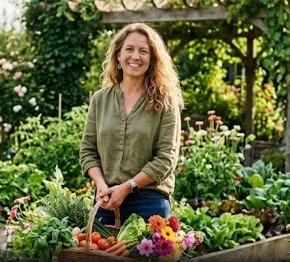
Maria Walker is a certified horticulturist and gardening specialist with over 15 years of hands-on experience in plant care, garden design, and sustainable growing practices.
She holds a Bachelor’s degree in Horticulture Science and a Master’s degree in Sustainable Agriculture — and has spent her career helping people of all skill levels create beautiful, thriving gardens.
Maria launched Outz News Garden with one simple mission: to make gardening accessible and inspiring for everyone, from first-time planters to seasoned green thumbs.